 Pota
Tired of MyFitnessPal? AI Alternatives That Actually Save You Time
Remember when MyFitnessPal was the app? That gold standard everyone recommended? Yeah. Things change.
I spent seven years logging every bite into MFP. It worked fine at first—solid database, decent interface, got the job done. But somewhere along the way, the app went from "helpful assistant" to "ad-stuffed premium funnel." Every update felt like a step backward. The UI still looks like it was designed in 2015. The search function? Genuinely worse than it was five years ago. And don't even get me started on the paywall constantly begging you to upgrade for features that used to be free.
So I started looking for alternatives. And honestly? The fitness app landscape has gotten really interesting.

What You Actually Want From a Food Tracker
Before jumping into specific apps, let's be real about what matters:
Speed. Logging should take seconds, not minutes. If you're writing down everything you eat, the app better make that frictionless, or you'll quit within two weeks.
Accuracy. A calorie estimate that's off by 30% defeats the entire purpose. You need a database that actually reflects real foods people eat, not just fast-food chains.
No guilt trips. If the app makes you feel bad for eating something, you'll stop using it. We're tracking, not converting to a cult.
Privacy and simplicity. You don't need 47 features you'll never use. You need to log food, see macros, and move on.
Actual AI that helps. Not ChatGPT's cousin trained on 2019 data, but real machine learning that learns your patterns and makes the process easier.
The apps below nail different combinations of these things. And yes, they all do some things better than MyFitnessPal. Some much better.
Cronometer: The Biohacker's Dream (If You Have Time)
If you're obsessed with micronutrients—zinc, copper, molybdenum, whatever—Cronometer is your new religion.
The database is insanely comprehensive. You can see 50+ nutrients for everything you log. Want to know how much selenium you got today? Cronometer knows. Want to optimize your electrolyte intake? Done.
But here's the thing: this level of detail comes with a learning curve. Cronometer doesn't hold your hand. The interface is functional but not pretty. Searching for a specific food can feel like archaeology because there are so many variations. And if you're someone who just wants to know calories and protein without drowning in spreadsheets, this is overkill.
Best for: Biohackers, athletes optimizing recovery, people with medical nutrient restrictions.
Downsides: Steep learning curve, slower entry, less casual-friendly, requires you to actually understand nutrition.
Lose It!: The Minimalist's Pick
Lose It! is what MyFitnessPal would look like if it actually got updated.
Clean interface. Fast barcode scanner. Good database with restaurant options. The app doesn't scream "UPGRADE NOW" every 30 seconds. It's just... there, doing its job quietly.
The calorie counting is solid. The macro tracking works. You can set custom goals. For someone who wants straightforward calorie deficit tracking without philosophy or complications, this is genuinely great.
The problem? It's not particularly smart. The photo recognition feature exists but isn't reliable—you'll often end up searching manually anyway. And if you're hoping for AI-powered insights or trend analysis beyond basic numbers, you won't get it.
Best for: Calorie counter minimalists, people switching from MFP who want a simpler version of the same thing.
Downsides: Limited AI features, photo recognition is unreliable, fewer advanced analytics.

MacroFactor: The Athlete's Algorithm
MacroFactor has a genuinely clever system: it learns your metabolism and adjusts your macro targets based on real weight-change data.
You log food (via barcode, photo, or manual entry), track your weight, and the algorithm notices patterns. Gained weight while hitting your target? MacroFactor assumes your metabolism is different than the generic estimates. It adapts. This is actually intelligent.
The interface is clean. The science is sound (they have a whole educational blog). If you're serious about body composition—whether that's getting shredded or bulking for strength—this app thinks about it the way you do.
But it costs money. Not a ton, but it's a subscription. And MacroFactor is macro-focused, which means if your goal is "be healthier" rather than "hit specific ratios," the perspective is narrower. It's also relatively newer, so the community and recipe database are smaller.
Best for: Serious lifters, body composition athletes, people who understand and care about macros.
Downsides: Paid subscription, macro-heavy philosophy (less holistic health focus), smaller community.
Noom: The Psychology Angle (With Caveats)
Noom flips the script entirely: instead of obsessing over numbers, it's built around behavioral psychology and habit change.
You log food (simplified, not hyper-detailed), get educational content about why you eat, and work through lessons about the psychology of weight. It sounds weird, but if you're someone who diet-cycles and struggles with the emotional side of eating, there's something genuinely different here.
The problem? Noom is expensive. Like, $200+/month expensive if you go for the "coaching" tier. And that coaching? Mostly canned responses from people reading scripts. You're not getting personalized training—you're paying for accountability theater and motivational emails.
Also, if you're someone who just wants the numbers and doesn't need the emotional support framework, Noom adds friction. It's wellness-app therapy, not a calorie tracker.
Best for: Habit-focused dieters, people with emotional eating patterns, those seeking accountability and mindset shifts.
Downsides: Expensive, "coaching" is limited in real personalization, overkill if you just want calorie tracking.
Pota: The AI Agent That Actually Gets It
Pota is the new kid that actually feels different.
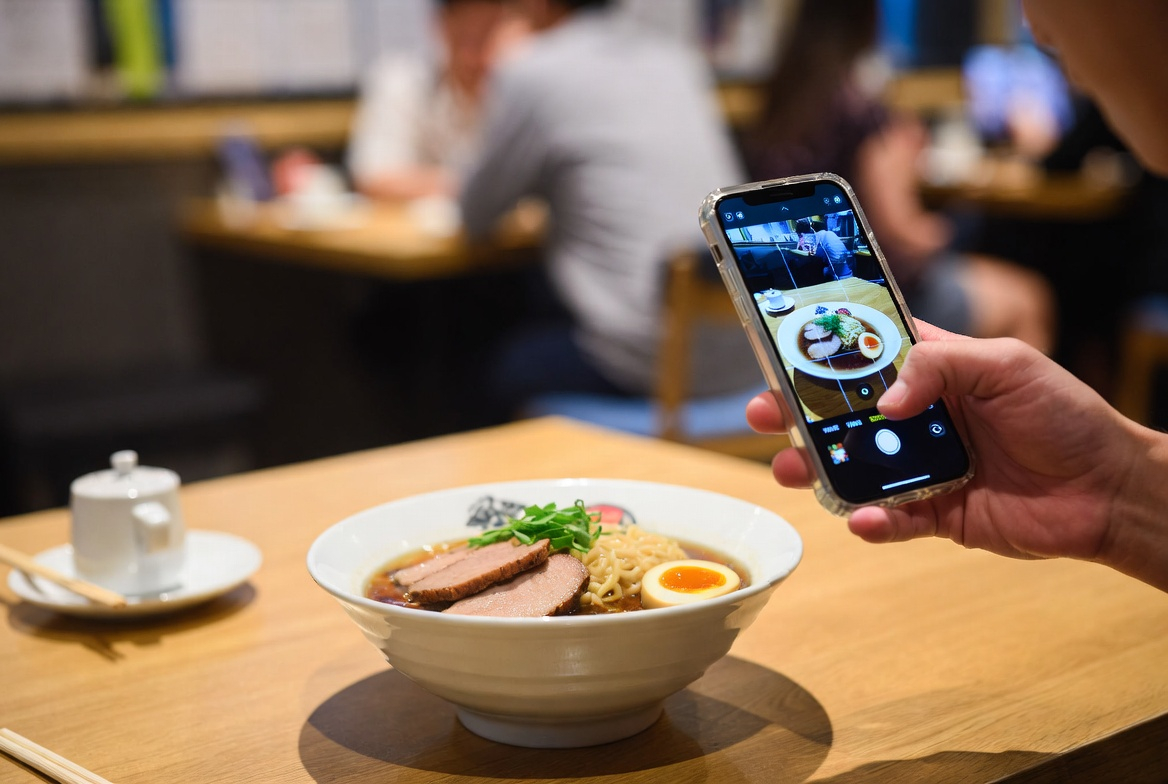
Here's the core concept: Pota, the AI agent, does the heavy lifting. You take a photo of your meal, say something about it, or describe it via voice—and Pota figures out the macros and logs it. No searching, no manual database digging. The AI handles it.
Food lookup is AI-powered, not a static list. Pota searches the internet for nutritional data and prioritizes trusted sources like USDA FoodData Central and Open Food Facts. Beyond that, Pota has medical awareness (it adjusts based on conditions like diabetes, celiac, food allergies, and more), a restaurant finder that knows your nutrition goals, and a feedback system that captures your ratings to improve future responses. It doesn't feel like a generic app; it feels like it's built for you.
Is it perfect? No. It's newer, so the community is smaller and the learning curve is real. The AI isn't flawless—sometimes it needs corrections. And if you're someone who likes total manual control over every entry, the "AI figures it out" approach might feel loosey-goosey.
But if you've been frustrated by manual logging, this is the alternative worth trying. It actually solves the problem MyFitnessPal stopped caring about: making food tracking fast and easy.
Best for: People who hate manual logging, voice-input users, those with specific health conditions or dietary restrictions.
Downsides: Newer app (smaller community), AI isn't 100% accurate yet, requires some trust in automation, not ideal for control-oriented trackers.
Quick Comparison Table
| App | Best For | Cost | Ease of Logging | AI Features | Learning Curve |
|---|---|---|---|---|---|
| Cronometer | Micronutrient tracking | Free/$9.99/mo | Moderate | Minimal | High |
| Lose It! | Simple calorie counting | Free/$12.99/mo | Very Fast | Basic | Very Low |
| MacroFactor | Macro-focused athletes | $10-15/mo | Fast | Advanced adaptive | Medium |
| Noom | Behavior change | Free/$12.99/mo | Fast | Psychology focus | Very Low |
| Pota | AI-powered lazy logging | Free/from $8/mo | Ultra-fast | Excellent | Low |
Which One Actually Fits Your Style?
You just want calorie numbers without friction: Lose It! or Pota (depending on if you want manual control or AI automation).
You're an athlete optimizing body comp: MacroFactor.
You care about every nutrient: Cronometer.
You struggle emotionally with food and want support: Noom (budget permitting).
You hate manual logging and want AI to do the work: Pota.
You left MyFitnessPal because it felt bloated: Any of these except Noom—they all feel less cluttered.
FAQ
Is any of these as good as MyFitnessPal was in 2018?
Probably not in terms of raw database size. MFP's user-contributed database is still massive. But honestly? Most of these apps are better in the ways that matter: speed, accuracy, and not making you feel bad for eating.
Do any of these have the community features MyFitnessPal had?
Lose It! has some social features. Pota is building community. Cronometer and MacroFactor are more solitary. Noom's community aspect is part of what you're paying for. If you need accountability buddies, Noom is the strongest play.
Can I sync these with other fitness apps?
Yes, most integrate with Apple Health, Google Fit, and popular fitness trackers. Check the specific app for what matters to you. Pota integrates well with modern fitness platforms.
What if I want to go back to MyFitnessPal?
You can export your data from most of these apps. But honestly, try one for a week first. Once you experience faster logging or smarter tracking, going backward feels rough.
Are the free versions actually usable?
Depends on the app. Lose It! free is genuinely usable. Cronometer's free version is feature-complete but limited to 15 foods/day. Pota's free tier is solid. MacroFactor and Noom basically require payment to make sense. Test the free tier first—most apps are honest about limitations.
The Bottom Line
MyFitnessPal isn't the standard anymore. The app's degradation opened space for apps that actually understand what food tracking should be in 2026: fast, accurate, and not constantly begging for money.
Your best alternative depends on what frustrated you most about MFP. Hate manual searching? Pota. Need precision? Cronometer. Just want it simple? Lose It!. Want behavioral support? Noom. Tracking macros seriously? MacroFactor.
The era of "one app to rule them all" is over. Now you get to pick something that actually fits how you want to eat and track. That's not a bad outcome.
Have you tried any of these alternatives? Which one stuck with you? Drop a comment below—I'm genuinely curious which apps are solving the MyFitnessPal gap for people.