 Pota
Nutrition Tracking with Diabetes or Chronic Conditions: What Your App Should Actually Do
You're standing in the grocery store, holding a package and wondering: Is this okay for me to eat?
If you live with diabetes, hypertension, high cholesterol, or another chronic condition, that moment happens more than once a week. Maybe more than once a day. And the frustration isn't really about willpower — it's that standard nutrition apps treat everyone's bodies like they're the same machine.
They're not. Your nutritional needs aren't just about calories. They're about managing a condition that requires specific dietary strategies.
Let's talk about what actually matters in a nutrition tracker when your health is on the line.

Why Your Calorie Counter Isn't Enough
A basic nutrition app will tell you that 2,000 calories is 2,000 calories, whether it comes from whole grain toast or a large fast-food burger. Technically true. Practically? Not helpful.
If you're managing Type 2 diabetes, those 2,000 calories matter enormously when you eat them and what they contain. A meal with a high glycemic load hits your bloodstream differently than one with the same calories from low-glycemic sources. Your tracker should understand that. Most don't.
Someone managing hypertension faces a different problem: a "healthy" 400-calorie sandwich might contain 900mg of sodium — more than half their daily limit. Regular calorie-counting apps might flag the calories. They won't flag the sodium threat.
High cholesterol? You need to understand saturated fat, trans fat, and fiber ratios — not just total fat grams. And the connections matter. Your app should help you see the forest, not just count trees.
The gap in most nutrition software is this: they track data without understanding medical context. They give you numbers. They don't give you insight.
What to Track for Your Specific Condition
If You Have Diabetes (Type 1 or Type 2)
Carbohydrates are your most important metric — but not in the way you might think. Total carb count matters, yes, especially if you take insulin or medications. But quality of carbs matters more than you'd expect.
Focus on: - Glycemic index and glycemic load. This measures how quickly a food raises your blood sugar. Research consistently shows that low-glycemic foods help stabilize blood sugar better than simply reducing portion sizes. A bowl of steel-cut oats (low GI) affects your glucose differently than a bowl of instant oatmeal (high GI), even if portions are similar. - Fiber content. Higher fiber slows carb absorption and improves blood sugar control. Your tracker should help you see this relationship, not make you work it out yourself. - Meal timing. If you take medications or insulin, when you eat matters alongside what you eat. Some apps note this; most ignore it entirely.
According to the American Diabetes Association, consistent carbohydrate intake (not necessarily low carb, just consistent and controlled) is a cornerstone of diabetes management. Your app should make this visible.
If You Have Hypertension
Sodium is obviously critical, but here's where most trackers fail: they'll track sodium in the database, but they won't connect it to your condition. Your blood pressure goal might mean 2,300mg of sodium daily (or lower, depending on your doctor's guidance), and you should see clearly when you're tracking toward or over that number.
Beyond sodium: - Potassium intake. This mineral helps regulate blood pressure. Many apps don't track it at all. - Added vs. natural sodium. A tomato naturally contains sodium; a canned tomato product might contain five times as much. Your tracker should help you distinguish these.
You also don't need to obsess over total calories — you need to obsess over sodium sources. A good tracker would flag that "healthy" low-fat salad dressing if it's loaded with salt.
If You Have High Cholesterol
Saturated fat gets blamed for everything, but the real story is more nuanced. According to current research, the ratio of saturated fat to unsaturated fat matters, plus fiber intake significantly affects cholesterol levels.
Watch for: - Saturated fat and trans fat separately. Don't lump them together. - Fiber, especially soluble fiber. Oats, beans, and certain fruits actively help lower cholesterol. This should be visible in your tracking. - Plant sterols and stanols. Some foods (fortified yogurts, certain oils) contain compounds that actively lower cholesterol. Mainstream apps don't track these.
Multiple Conditions? It Gets Complicated
If you have both diabetes and hypertension, your tracker needs to be smarter. A meal with whole grain bread (great for diabetes management) might be high-sodium (bad for blood pressure). You need an app that doesn't pit your health goals against each other — or at least helps you see the trade-offs clearly.
The Emotional Reality of Health Tracking
There's something we don't talk about enough: tracking food when you have a chronic condition can be emotionally draining.
You're not just logging lunch. You're making decisions that feel medical. Every choice can feel weighted. Some people develop food anxiety — worrying that they're always eating "wrong," always making their condition worse.
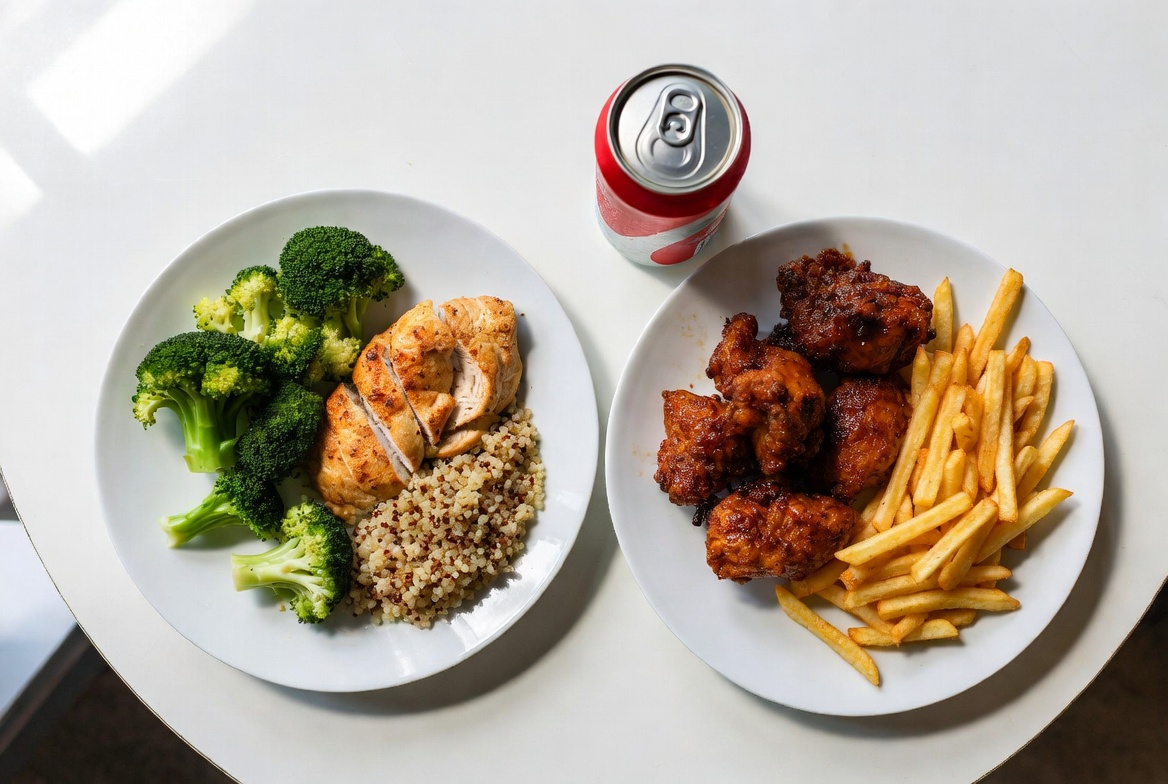
A good nutrition tracker doesn't add to this burden. It shouldn't shame you. It shouldn't make you feel like you need to eat nothing but broccoli and chicken breast. And it absolutely shouldn't make you feel like you're failing when you eat normally.
Instead, a quality app should educate. It should explain why a food choice matters for your specific condition, without judgment. It should help you understand trade-offs: yes, this meal is higher in sodium than you'd like, and you can balance it with your other meals today.

What a Medical-Grade Tracker Should Actually Do
If you're evaluating apps specifically for chronic condition management, look for these features:
Condition-specific guidance. The app should know you have diabetes (or hypertension, or whatever your condition is) and should tailor what it tracks and how it advises you. Generic "eat healthy" advice isn't useful to you.
Contextual alerts. Not just "you're over your sodium limit," but "this meal contains 47% of your daily sodium — would you like to see lower-sodium alternatives?" This requires the app to understand both your limits and your condition.
Educational components. Good trackers explain the why behind recommendations. Why does glycemic index matter? Why does meal timing affect blood sugar? Knowledge reduces anxiety.
Integration with medical guidance. Your tracker should work alongside your doctor's advice, not replace it. Some apps let you input specific targets your doctor recommended — and that matters.
Recognition of individual variation. Two people with Type 2 diabetes might tolerate carbs very differently. A good app lets you personalize rather than forcing generic rules.
Some newer AI trackers like Pota let you input your conditions and will flag meals that might conflict — like alerting you to a high-sodium dish when you're managing hypertension. These approaches point toward what tracking could be: genuinely personalized, genuinely helpful.
Making Tracking Work for You
You don't need to track everything forever. Some people benefit from structured tracking for 2-4 weeks to understand patterns, then move to periodic check-ins. Others find ongoing tracking essential. Your approach should match your needs and your mental health.
If you choose to track: - Pick an app that aligns with your conditions, not against them. Seriously evaluate whether the metrics it emphasizes matter for your health. - Set realistic limits. Tracking 15 nutrients is exhausting. Focus on 2-4 that matter most for your condition. - Work with your healthcare team. Bring your tracking data to your doctor. Ask what targets matter most. Let the professional guidance inform your app settings. - Notice patterns, not just numbers. Tracking isn't about rigid compliance. It's about understanding how your body responds to different foods and meal timing.
The goal isn't perfection. It's information. It's understanding your own body well enough to make choices that work for your life and your health.

Frequently Asked Questions
Q: Doesn't tracking food make anxiety worse for people with chronic conditions?
A: For some people, yes. Tracking can become obsessive or shame-based. The key is choosing an app and approach that's educational rather than punitive, and knowing when to step back. If tracking increases anxiety significantly, talk to your doctor or a dietitian about whether it's right for you. Structured tracking for a limited time can be useful without becoming a permanent habit.
Q: Do I need to track if my blood sugar/blood pressure is already controlled?
A: Not necessarily. If your condition is stable and well-managed, periodic tracking (maybe quarterly or when symptoms change) might be enough. Ongoing detailed tracking makes most sense if your condition is new, unstable, or you're making dietary changes. Work with your healthcare provider to determine what's actually useful for your situation.
Q: What if my tracking app doesn't have my specific condition built in?
A: You can still use generic apps — you just have to do more manual work. Focus on tracking the metrics that matter most for your condition (carbs for diabetes, sodium for hypertension, etc.) rather than trying to track everything. Alternatively, consider consulting a dietitian who specializes in your condition. They can give you specific guidance that's more valuable than any app.
Q: Is there a "best" nutrition tracker for chronic conditions?
A: Not universally. The best app for managing diabetes might not be ideal for managing hypertension. Look for apps that specifically mention your condition, allow customizable targets, and provide educational context rather than just numbers. Read reviews from people with similar conditions. Many apps offer free trials — test a few to see what actually fits your life and your needs.
Living with a chronic condition means making informed choices about your health every single day. You deserve nutrition tracking tools that actually understand what you're managing — not generic apps that treat your specific health needs like an afterthought.
The right tracker becomes a partner in your health journey, not another source of stress. It educates rather than judges. It contextualizes rather than just counts. And it respects that you're not trying to achieve a number on a scale — you're trying to live well with a condition that requires ongoing care.
That's what you should actually be looking for.