 Pota
You usually do not quit calorie tracking because you do not care.
You quit because it starts to feel like admin. Open the app, search for the food, guess the portion, fix it, check the database entry, repeat. On a busy day, that gets old fast.
That is why so many people start strong and then disappear after a week or two. The problem usually is not motivation. It is friction.
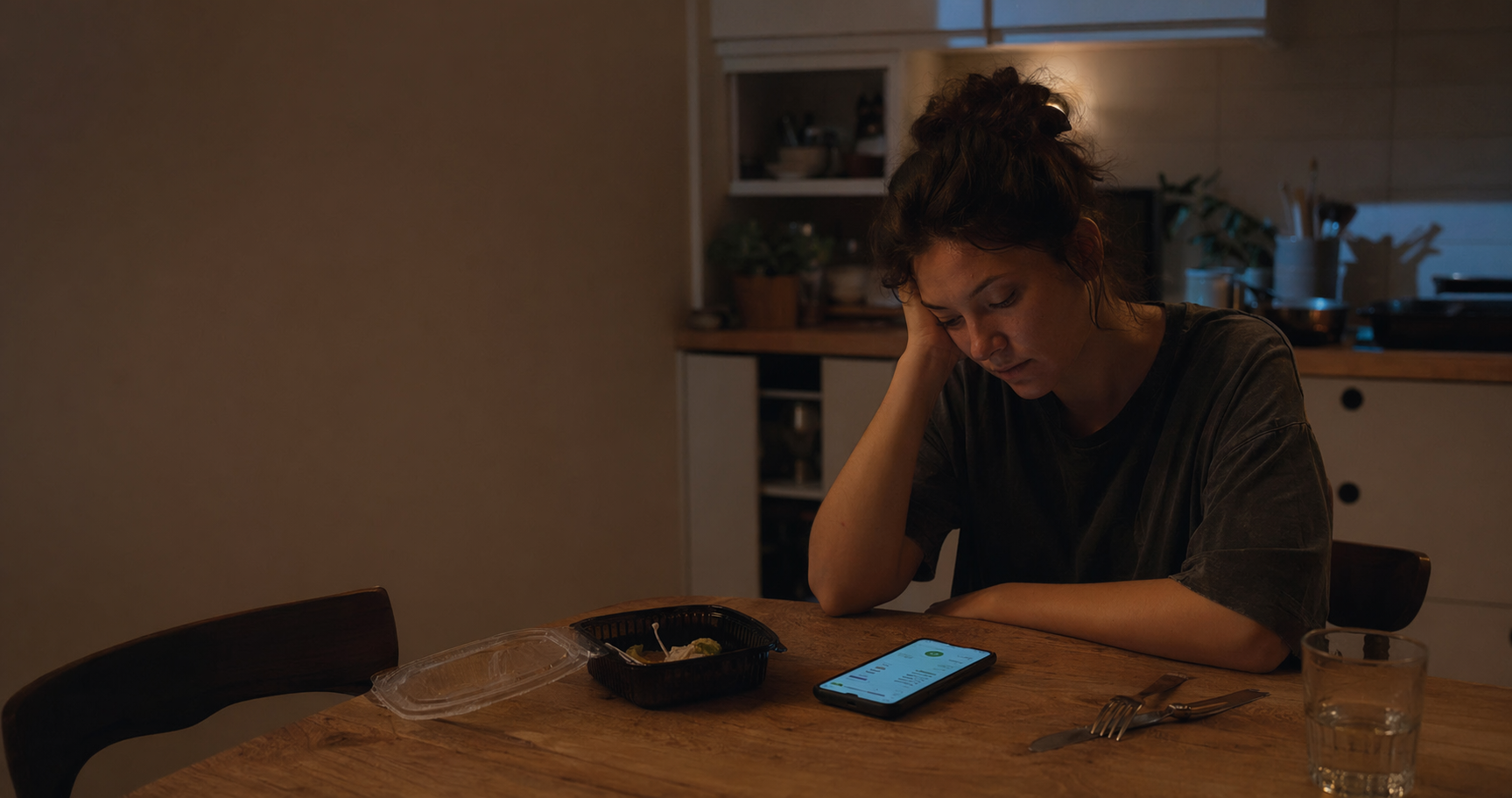
Why people quit calorie tracking so quickly
Calorie tracking looks simple on paper. In real life, it gets messy fast.
Most meals are not neat single ingredients. A bowl of noodles, a burger, a grab-and-go sandwich, or homemade rice and chicken is harder to log than a plain apple. A cafeteria meal, deli lunch, or delivery bowl is even messier because you are estimating portions before you even start. You end up estimating anyway, which makes people wonder why they bothered measuring in the first place.
The second problem is timing. If you wait until the end of the day, the small stuff disappears from memory. A few bites, a splash of sauce, a coffee with milk, a handful of chips — that adds up, but nobody remembers it clearly at 10 p.m.
The third problem is trust. When the database gives you five versions of the same food, or the portion looks off, it starts to feel like the app is asking you to guess with confidence.
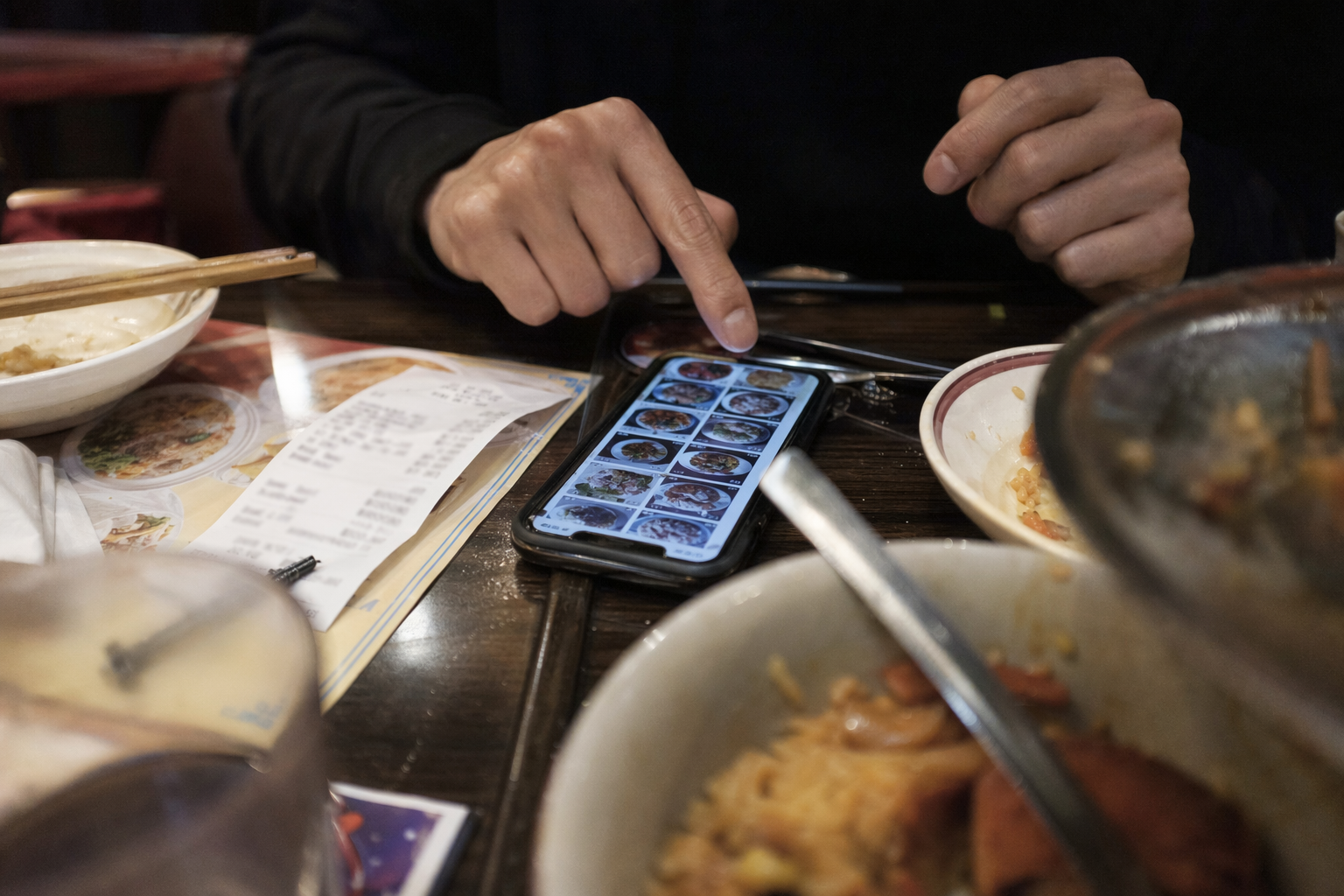
What usually breaks after the first week
1. Manual entry takes too long
If logging each meal takes five minutes, the habit is fighting your schedule from day one.
That is especially true for restaurant meals and mixed dishes. You do not want to spend ten minutes comparing similar entries when you are hungry, busy, or eating with other people. Most people can tolerate that for a few days. Very few can tolerate it forever.
2. One missed meal turns into a missed day
This is the perfection trap.
You forget breakfast, so lunch feels “off.” Then dinner feels pointless because the day is already imperfect. Before long, the app is still on your phone, but the habit is gone.
That all-or-nothing mindset is one of the biggest reasons people quit. They think tracking only counts if it is exact. In reality, 80% consistency beats 0% perfection every time.
3. Social eating makes tracking awkward
Logging food at work, in a restaurant, or at a friend’s place can feel awkward. Some people do not want to pull out a scale or spend the whole meal calculating.
And honestly, some people quit because tracking starts to feel too heavy mentally. If calorie counting is making you anxious or obsessive, that matters. The tool is supposed to help you, not make every meal feel like a test.
4. The app feels like it is asking for more than you can give
People often start with a burst of enthusiasm. They want to be precise, disciplined, and consistent all at once.
The problem is that normal life does not cooperate. You travel. You eat out. You skip a meal. You have a rushed breakfast. You eat at 9:30 p.m. because work ran late. If your system only works on ideal days, it will not survive ordinary ones.
What actually makes tracking stick
The goal is not to become a perfect logger. The goal is to make the habit light enough that you keep doing it.
Start with a smaller job
Do not try to track every meal perfectly on day one.
Start with dinner only for a week. Or only weekdays. Or only the meals you usually forget. The point is to build a pattern you can repeat without negotiating with yourself every time you eat.
Use the 80% rule
If you can estimate well enough to see patterns, that is enough.
You are not trying to write a court transcript of everything you ate. You are trying to learn what your eating actually looks like. That means close estimates, not exact numbers every time.
Log when the meal is fresh
The longer you wait, the messier the memory gets.
A quick log right after you eat is usually better than trying to reconstruct the whole day later. That one change alone removes a lot of the friction people blame on calorie tracking apps.
Build a fallback for messy meals
Have a default for the days that are hard.
For example: restaurant lunch = quick estimate, homemade dinner = photo + rough portions, busy day = log the main meal only. A fallback matters because quitting often happens when the system feels too rigid to use in real life.
Make the habit about feedback, not guilt
Tracking works best when it is treated like information.
You are looking for patterns: how your portions change on weekends, whether snacks are quietly pushing you over, whether your “healthy” drinks are not actually that light. Once tracking becomes feedback, it feels useful instead of punishing.

Why a lighter workflow changes everything
This is where newer tools make a real difference.
Instead of turning every meal into a typing exercise, AI can reduce the admin. Tools like Pota can make it feel more like a quick photo scan, a short follow-up if something is unclear, and a reminder when you forget. That gets you back into the habit without the whole process feeling like homework.
That matters because most people do not need more guilt. They need less friction.
If you are managing something like diabetes or hypertension, the best systems go one step further: they can flag high-sugar or high-sodium meals before they become a bigger problem. That makes the tracking feel more like support and less like punishment.
Instead of acting like a passive tracker, Pota is more like a coach that helps you keep going on normal days without turning every meal into admin.
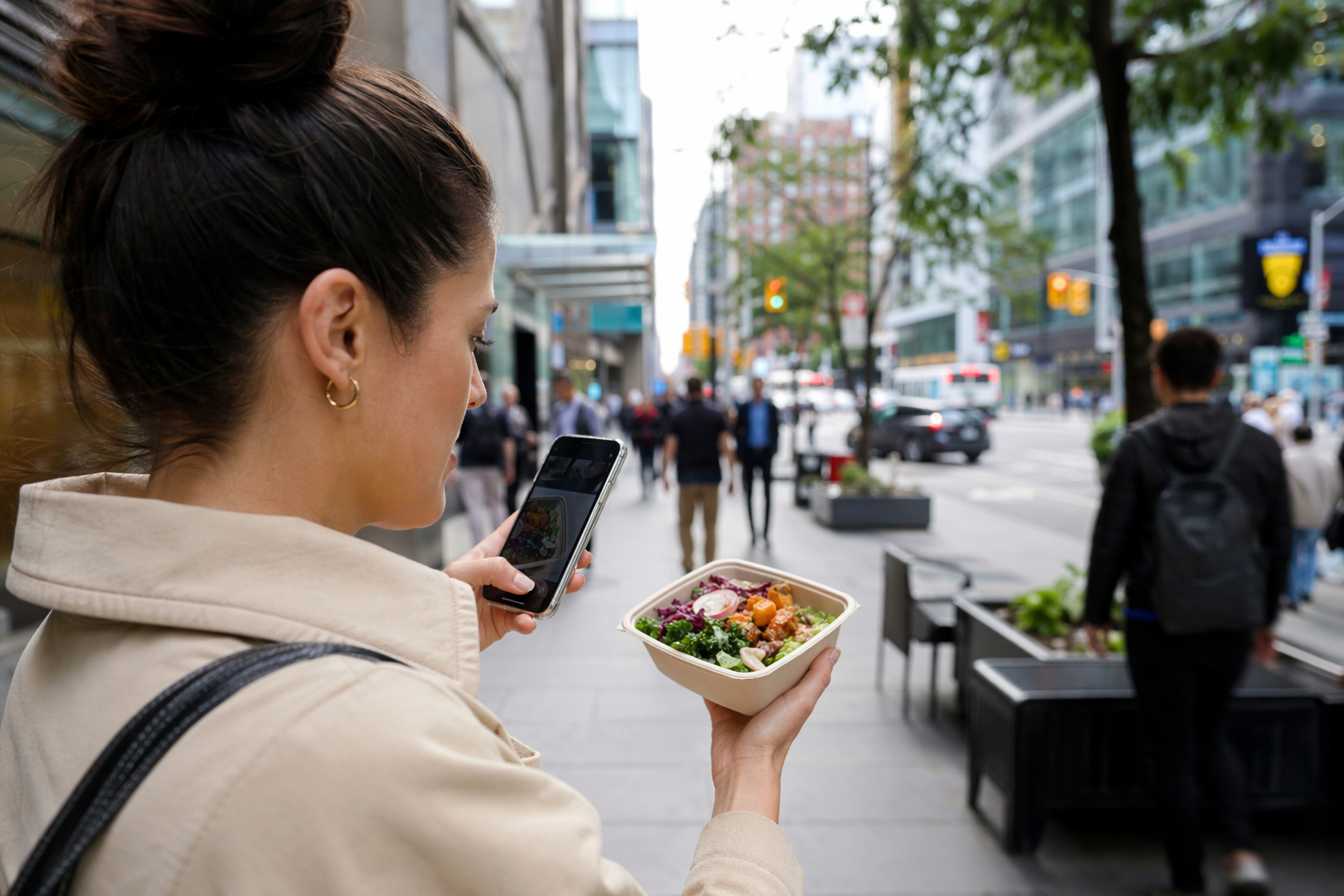
FAQ: why people quit calorie tracking
Q: Why do people quit calorie tracking?
A: Usually because it feels tedious, not because they do not care. Manual entry, imperfect food databases, and the pressure to be exact make the habit feel heavier than the result is worth.
Q: Is calorie tracking sustainable long term?
A: Yes, but only if the system fits real life. The people who stick with it usually simplify the process, accept rough estimates, and stop expecting perfection.
Q: What is the biggest problem with calorie counting apps?
A: The biggest problem is friction. If logging takes too long or feels annoying, people stop using the app even if the app itself is technically good.
Q: Does calorie tracking make some people obsessive?
A: It can, especially if every meal starts to feel like a test. If tracking is increasing anxiety or guilt, it is worth stepping back and choosing a lighter system.
Q: Can you lose weight without tracking calories?
A: Yes. Tracking is just one tool. Some people do better with portion awareness, meal routines, or simpler habits that they can actually maintain.
Q: How do you stay consistent with calorie tracking?
A: Keep the task small, log food quickly, and use a fallback for messy days. The easier the system is to repeat, the more likely it is to last.
The real takeaway
People do not usually quit calorie tracking because the idea is bad. They quit because the workflow is too heavy to survive a normal week.
If you make it lighter, more forgiving, and more useful, it becomes a tool instead of a chore. That is the difference between an app you download and a habit you keep.